
Hearing Health: How to Protect Your Hearing and Why It Matters
- Category: Southwest General Medical Group, Women's Health, General Health, Family Medicine, Endocrinology, Diabetes & Metabolism, Geriatric Medicine, Ear, Nose & Throat (ENT), Heart & Vascular Care, Men's Health
- Posted On:
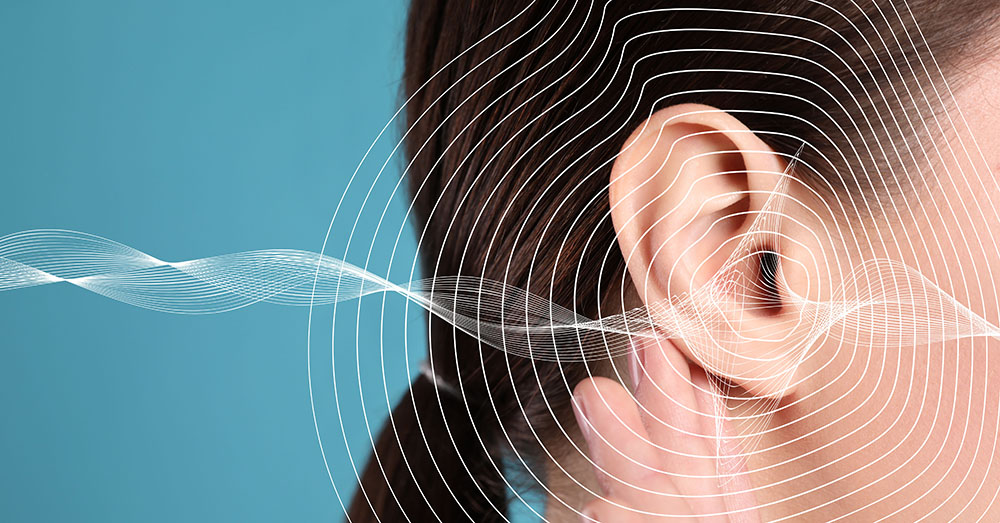
Hearing is something many of us rely on without giving it much thought. It connects us to conversations, music, laughter and the everyday sounds that help us feel present and safe. Yet hearing health is often overlooked until changes become hard to ignore.
Unlike vision changes, which are often noticeable right away, hearing loss tends to happen gradually. Many people adapt without realizing it by turning up the TV, asking others to repeat themselves or avoiding noisy environments altogether. Over time, untreated hearing issues can affect communication, relationships, mental well-being and even brain health.
Understanding how hearing works, what puts it at risk and when to seek care can help protect your hearing and your overall quality of life.
How Hearing Works and Why It’s So Vulnerable
Hearing depends on a complex system involving the outer, middle and inner ear. Sound waves travel through the ear canal, vibrate the eardrum and pass through tiny bones in the middle ear. These vibrations reach the inner ear, where thousands of microscopic hair cells convert sound into electrical signals that are sent to the brain.
These hair cells play a critical role, and they’re delicate. Once damaged, they do not regenerate. That’s why hearing loss is often permanent and why prevention and early intervention matter.
Common Causes of Hearing Damage in Everyday Life
Many people associate hearing loss with aging or loud industrial noise. In reality, some of the biggest risks come from everyday habits.
Listening to music, podcasts or videos through headphones is part of daily life for many people. The concern isn’t headphone use itself, but volume and listening time.
Sounds played at too high a volume for extended periods can damage inner ear hair cells. Earbuds, in particular, sit close to the eardrum and can deliver sound at higher intensities than people realize.
A helpful guideline is the 60/60 rule: keep volume at 60 percent or less and limit listening to 60 minutes at a time, followed by a break.
Concerts, sporting events, fitness classes, bars and movie theaters can reach sound levels that strain hearing. Yard equipment, power tools and household appliances, such as leaf blowers or blenders, also can pose risks.
Repeated exposure to loud noise, even if it feels tolerable, can add up over time.
People working in construction, manufacturing, healthcare, music or transportation may experience daily noise exposure. Consistently wearing hearing protection is essential, even if the noise seems routine.
Frequent ear infections, fluid buildup, ear injuries or certain medications can contribute to hearing changes. Ongoing symptoms should never be ignored.
How Loud Is Too Loud? Understanding Decibels and Hearing Damage
Sound is measured in decibels (dB), and even small increases on the decibel scale represent a significant jump in intensity. While some sounds may feel uncomfortable right away, others can quietly damage your hearing over time without obvious warning signs.
As a general rule, sounds at or below 70 decibels are considered safe for most people. Once sound levels reach 85 decibels or higher, the risk of hearing damage increases, especially with prolonged or repeated exposure.
The louder the sound, the less time it takes to cause harm. For example, listening to sound at 85 decibels for several hours can damage hearing, while sounds above 100 decibels can cause damage in just minutes.
Common Sounds and Their Average Decibel Levels
To put this into perspective, here are approximate decibel levels for everyday sounds:
- A quiet library typically measures around 30 decibels.
- Normal conversation usually falls between 65 and 80 decibels.
- City traffic or busy restaurants often reach 85 decibels.
- A lawn mower or power tool can range from 80 to 100 decibels.
- Sporting events may reach 110 decibels.
- Personal listening devices at maximum volume can reach 110 decibels.
- Fireworks may reach 160 decibels.
Why Duration Matters as Much as Volume
Hearing damage isn’t just about how loud a sound is—also it’s about how long you’re exposed to it. Listening to moderately loud sounds for extended periods can be just as harmful as short bursts of very loud noise.
This is why everyday habits, such as wearing headphones for hours at a time or spending extended periods in noisy environments, can gradually affect hearing, even if the sounds don’t feel painfully loud.
Using strategies like lowering volume, taking listening breaks and wearing hearing protection can significantly reduce your risk.
Early Signs of Hearing Loss to Watch For
Hearing loss often develops gradually, which makes it easy to miss. Common signs include:
- Asking people to repeat themselves frequently
- Turning up the TV or radio louder than others prefer
- Difficulty following conversations in noisy settings
- Feeling like people are mumbling
- Trouble hearing high-pitched sounds
- Ringing, buzzing or hissing in the ears
These symptoms may seem minor at first, but they can significantly affect daily life if left unaddressed.
Understanding Tinnitus
Tinnitus is the perception of sound, such as ringing, buzzing or humming, when no external sound is present. For some people, it comes and goes. For others, it can be constant and disruptive.
Tinnitus may be associated with noise exposure or hearing loss, but also it may be linked to ear injuries, circulation issues, certain medications or other medical conditions.
While tinnitus doesn’t always have a single cause, protecting your hearing, managing stress and treating underlying hearing loss can help reduce its impact. Persistent tinnitus should be evaluated by a healthcare professional.
The Link Between Hearing Loss and Cognitive Health
One of the most important and often overlooked effects of hearing loss is its connection to brain health.
When hearing declines, the brain has to work harder to interpret sounds and speech. Over time, this increased effort can take resources away from memory and thinking. People with untreated hearing loss also may begin to withdraw socially, which can further affect cognitive health.
Research has shown a strong association between hearing loss and an increased risk of cognitive decline and dementia. While hearing loss does not directly cause dementia, addressing hearing issues early may help support long-term brain function and mental engagement.
Why Many People Delay Getting Help
Despite the impact hearing loss can have, many people put off evaluation or treatment. Common reasons include assuming hearing loss is just part of aging, feeling self-conscious or believing hearing aids won’t help.
Hearing care has advanced significantly. Today’s hearing aids are smaller, more comfortable and more effective than many people expect. More importantly, addressing hearing loss early can improve communication, confidence and overall well-being.
Practical Ways to Protect Your Hearing
Protecting your hearing doesn’t require drastic changes. Small, consistent habits can make a big difference.
- Lower the volume. If others can hear your music through headphones, it’s likely too loud. Even a slight reduction in volume helps protect hearing over time.
- Take listening breaks. Give your ears time to recover after loud noise exposure. Quiet breaks reduce strain on the auditory system.
- Use hearing protection. Earplugs or noise-reducing earmuffs are helpful at concerts, during home projects or when using loud equipment.
- Support overall health. Conditions such as high blood pressure, diabetes and cardiovascular disease may affect blood flow to the inner ear. Managing chronic health conditions also supports hearing health.
- Schedule hearing screenings. Baseline hearing tests are valuable, even if you haven’t noticed changes. Regular screenings help detect issues early, when treatment is most effective.
Hearing Health Is About Staying Connected
Hearing plays a vital role in how we connect with others and engage with the world. When hearing loss goes untreated, people may experience frustration, isolation or reduced confidence.
Addressing hearing concerns helps preserve communication, emotional well-being and independence at every stage of life.
When to Talk to a Healthcare Professional
If you notice changes in your hearing, ongoing ringing in your ears or difficulty following conversations, it’s important to seek evaluation. A hearing assessment can provide clarity and guidance on next steps.
At Southwest General, audiology and ENT specialists work together to evaluate hearing concerns, identify underlying causes and recommend appropriate care options based on each patient’s needs.
A Final Word on Hearing Health
Hearing is a lifelong asset. Protecting it is an investment not just in your ears, but in your relationships, independence and brain health.
By paying attention to early signs, protecting your ears from noise and seeking care when needed, you can help preserve your hearing and stay connected to the sounds that matter most.